
80s photo trend
1980s Photo Prompt for Gemini, and the 80s Look Without One
In Pakistan the 80s photo trend runs mostly on Gemini prompts. Here are four that work, the reason the face changes between tries, what an Instagram filter can and cannot do, and when an app is simpler.
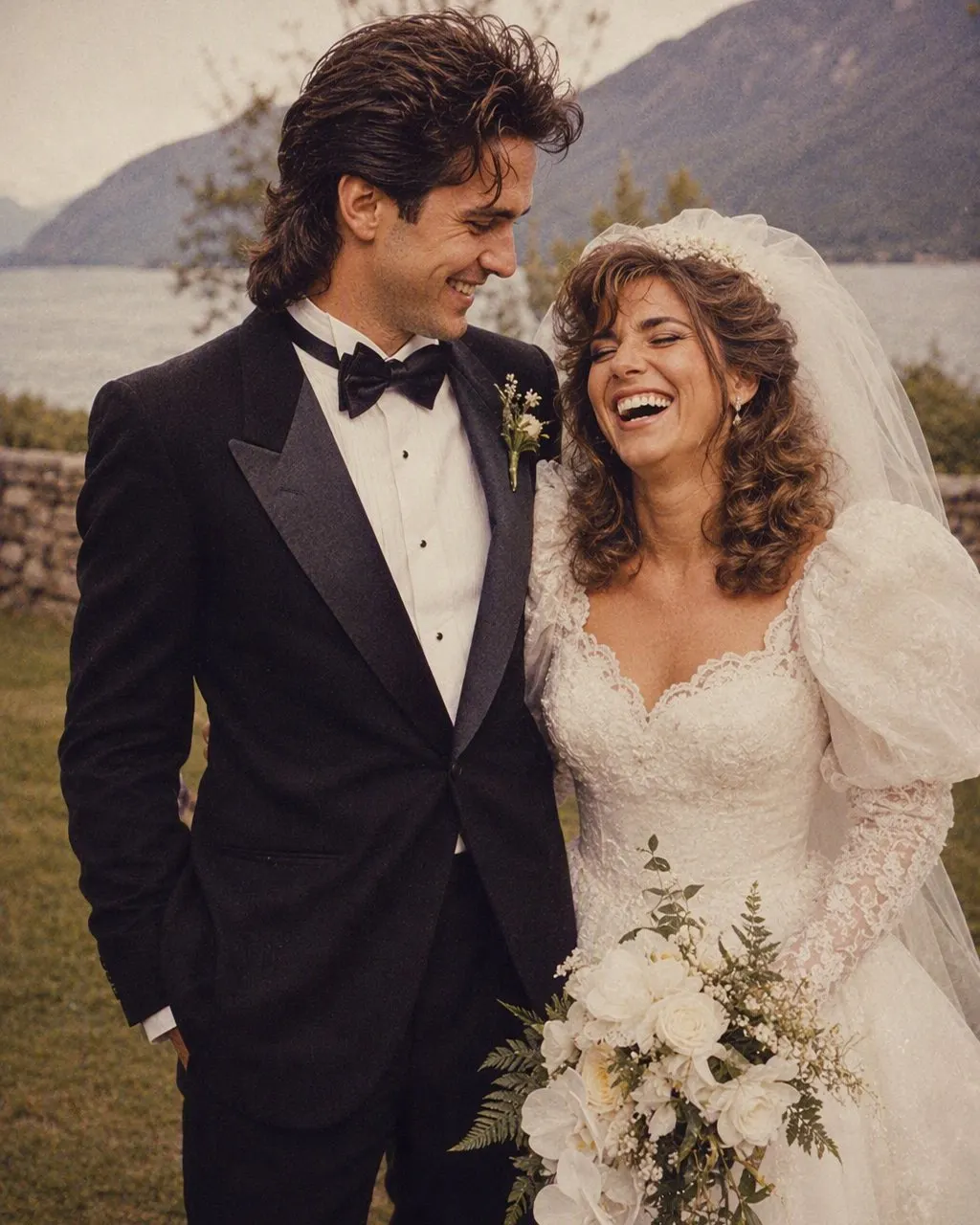
How to make a 1980s photo with Gemini
In Gemini, upload a clear photo of yourself and send it together with a 1980s photo prompt. The prompts that hold up begin by locking your identity, meaning your face, natural skin tone and age, and only after that set out the 80s hair, clothes, studio backdrop, flash and faded film colour. Four ready prompts are below; they work in ChatGPT too.
An Instagram 80s filter is something else. It changes colour, grain and contrast, but your hair, clothes and background stay as they were, so it cannot produce the full 80s picture people are posting.
If writing prompts is not your thing, FaceCast offers the 80s look as a single tap that preserves your face. It is available for iPhone and iPad on iOS 16 onwards and for Android on Google Play. There is no charge to install it, though some features carry a one-off or subscription fee that is displayed before any payment.
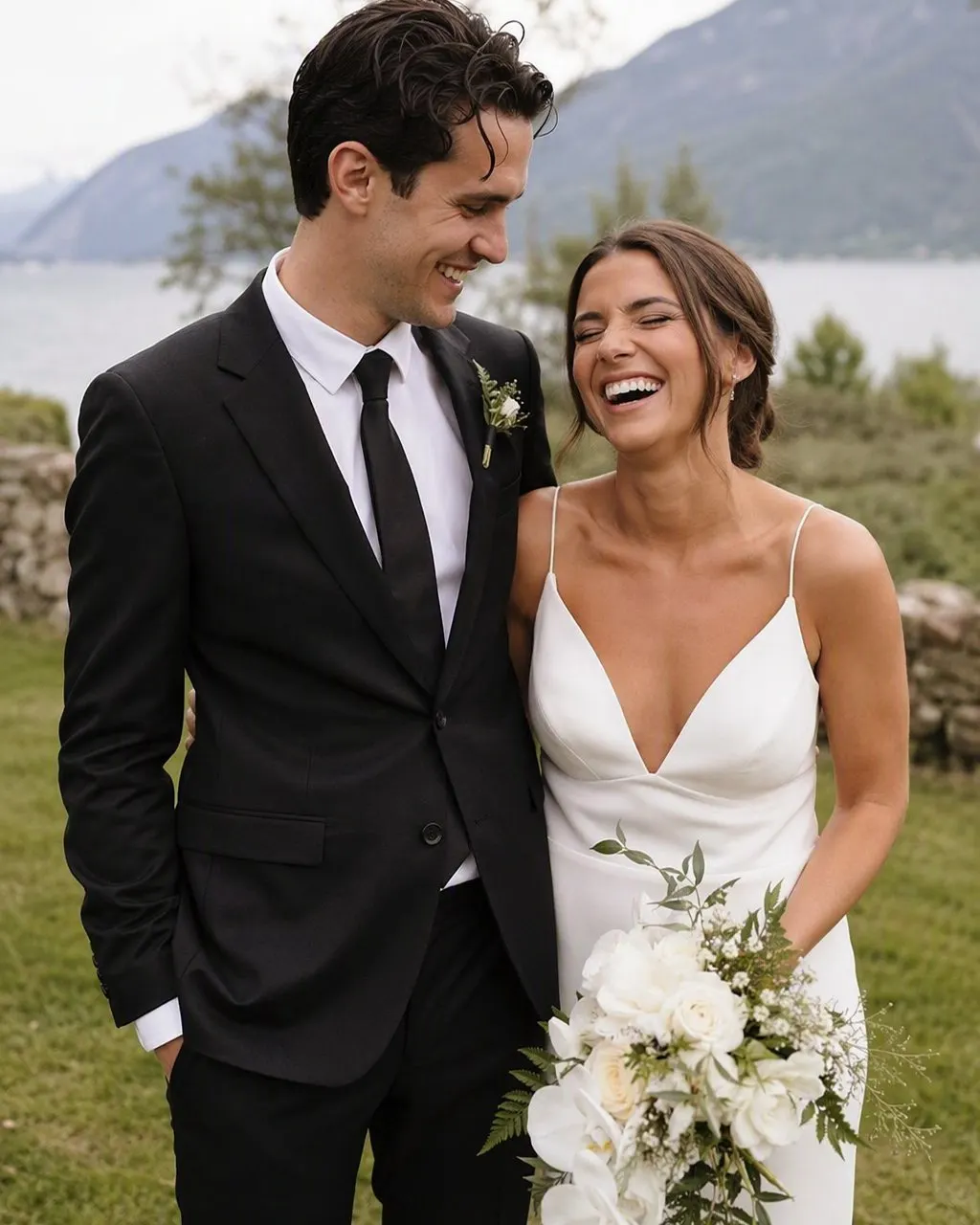
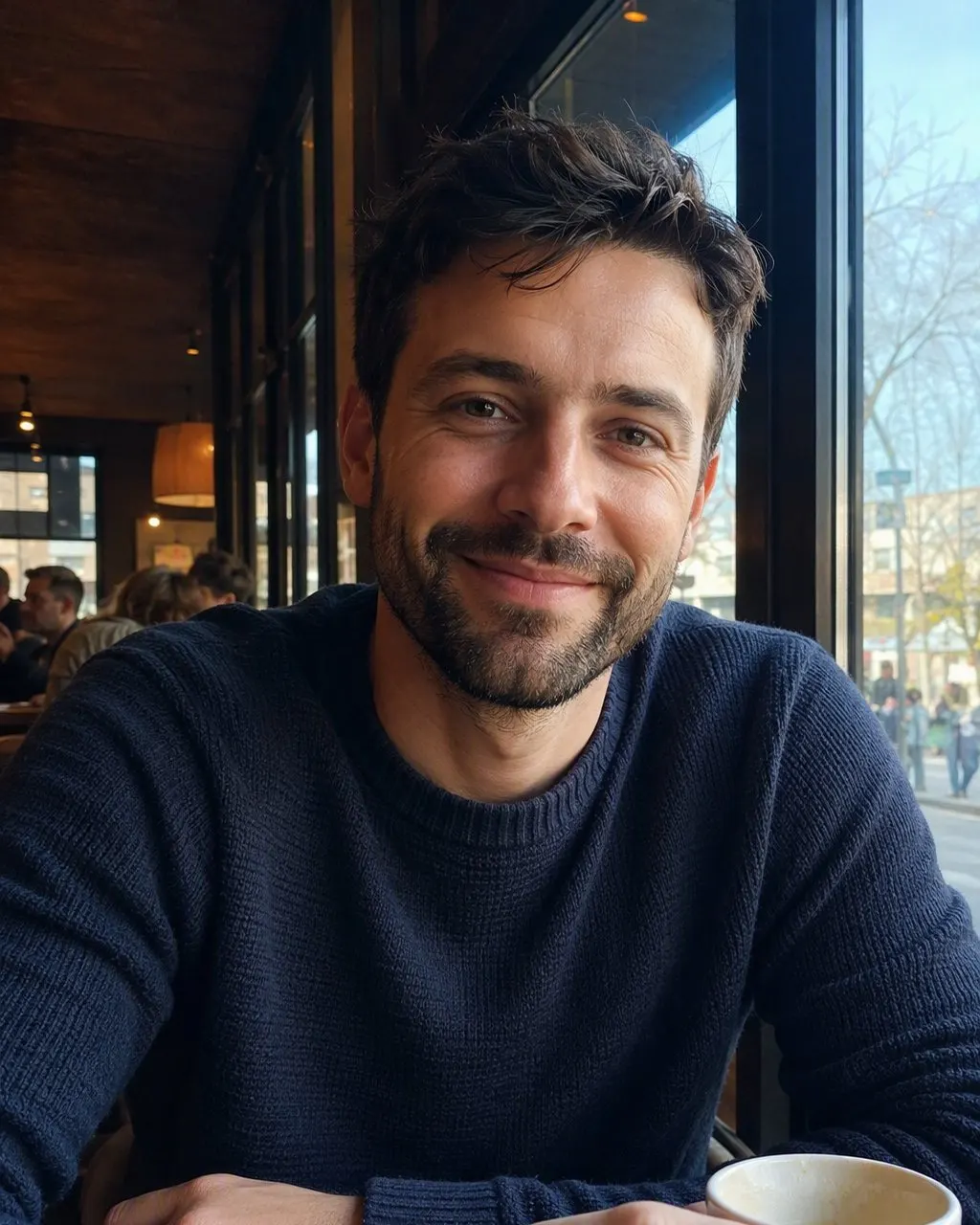
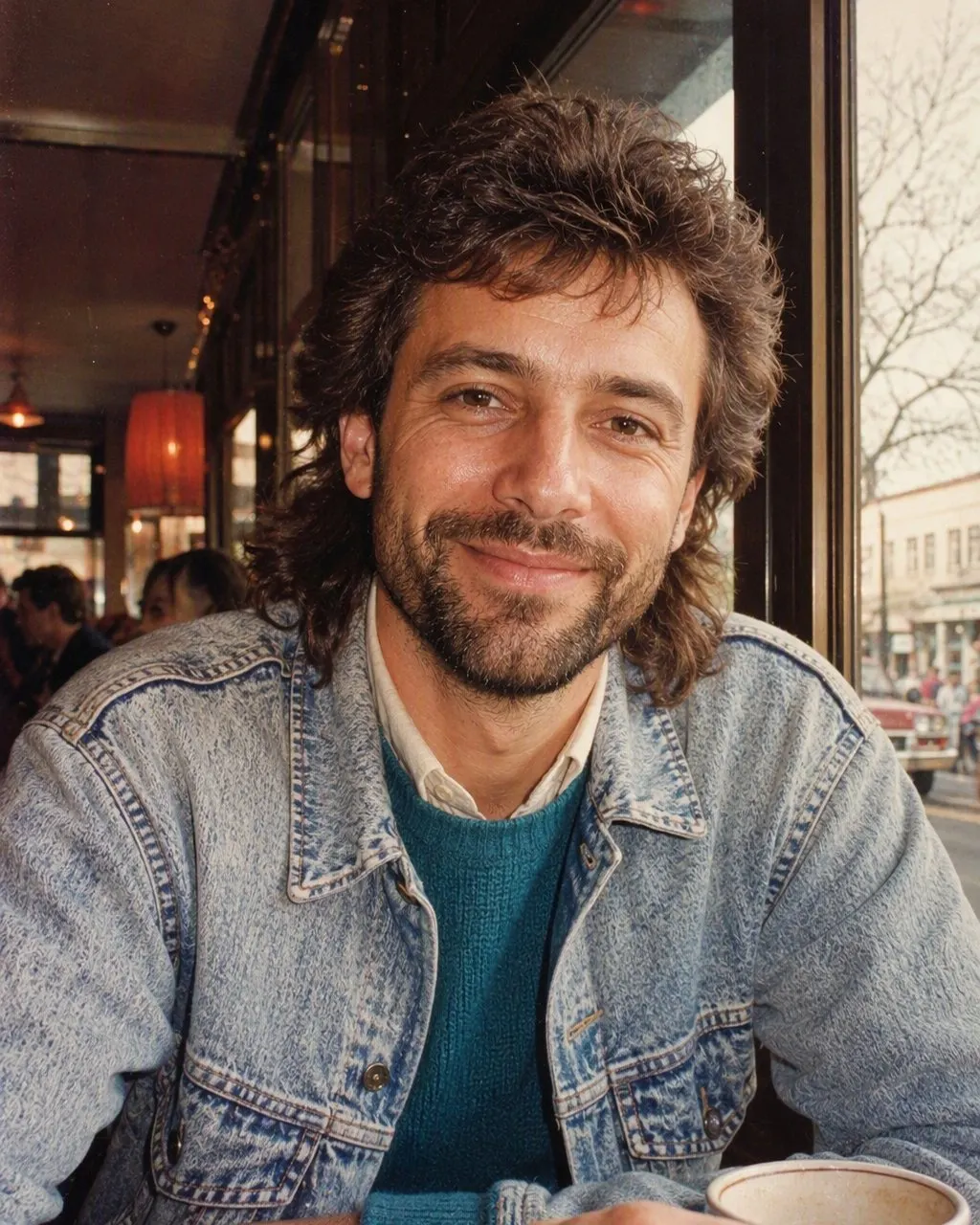
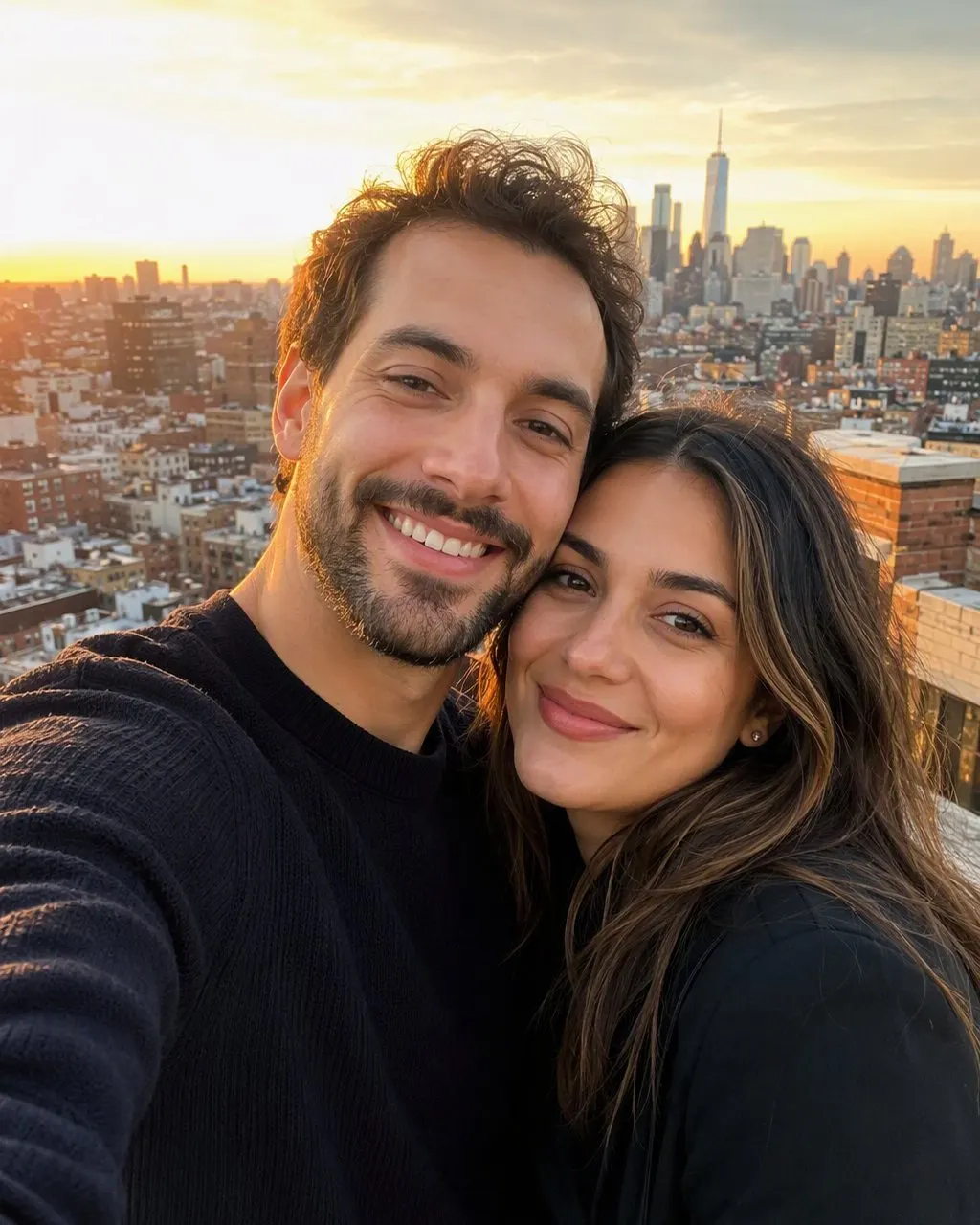
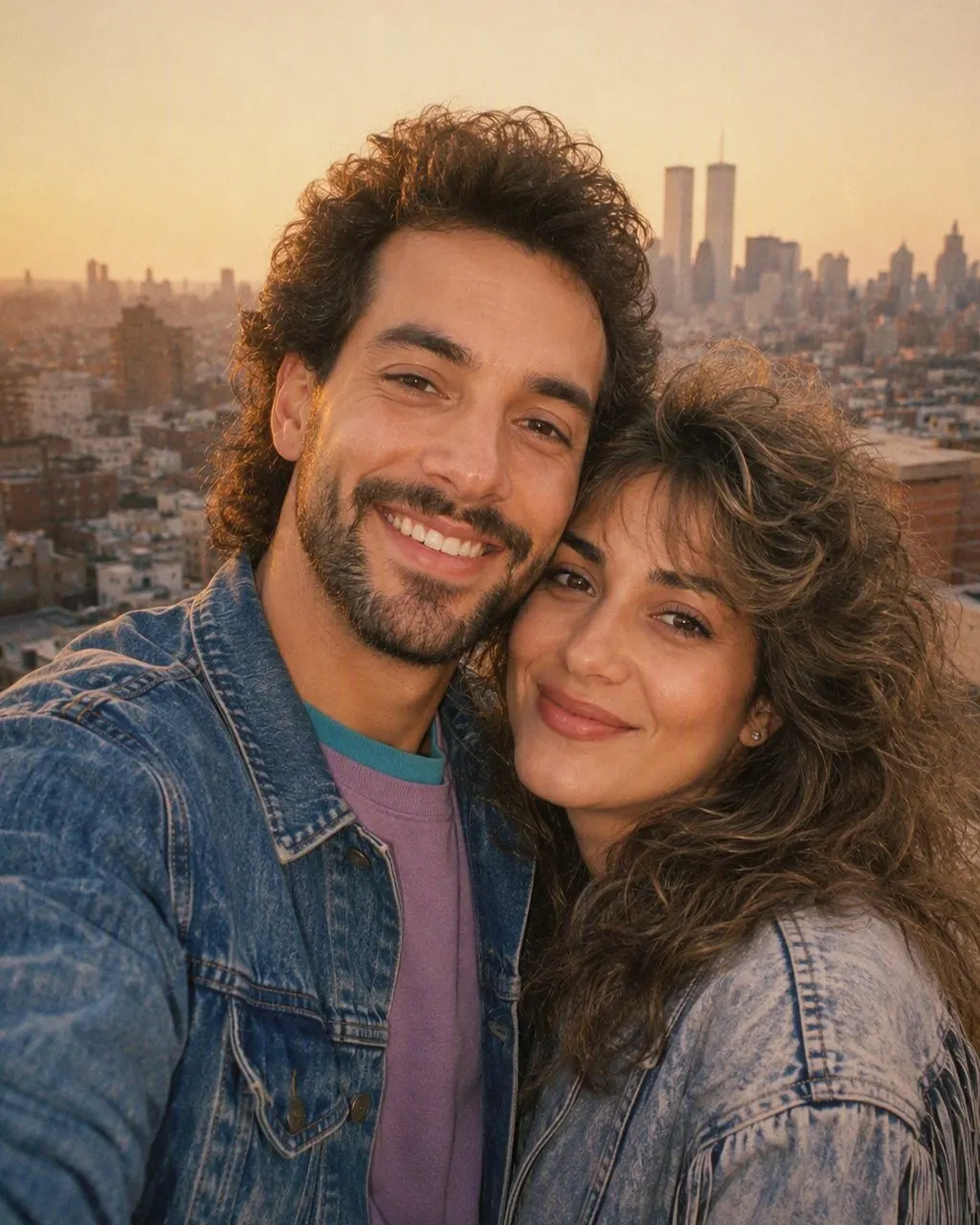
Gemini in three steps
Attach one photo
Tap the plus button in Gemini and pick a sharp, recent photo with your face in good light and looking at the camera.
Paste a prompt and send
Copy one of the prompts below into the same message. Change the colours or fabric if you want.
Check the face
Compare the eyes, nose, jaw and skin tone with your original. If something moved, send a correction from the fixes further down.
1980s photo prompts to copy
Take the photo I have attached. Preserve my identity exactly: my face shape, features, eyebrows, natural skin tone, age and expression must be unchanged. Do not whiten the skin or narrow the face. Alter only the hairstyle, clothing, accessories and setting. Recreate it as a colour portrait shot in a mohalla photo studio in Lahore or Karachi around 1985: full, side-parted 80s hair, the clothes people wore in Pakistan then, a three-quarter pose against a painted backdrop shading from pale blue to grey. Light it with a single harsh flash that leaves a small shadow behind me. Fine grain, faded warm colours. Return one portrait-format image without any text or frame.
The general version. Works for men and women.
Take the photo I have attached. Preserve my identity exactly: my face shape, features, eyebrows, natural skin tone, age and expression must be unchanged. Do not whiten or airbrush the skin. Present me as the heroine in a publicity still for a mid-1980s PTV drama: a cotton shalwar kameez in a soft printed pattern with a large chiffon dupatta over one shoulder, hair blow-dried with volume or in a long plait, kohl-lined eyes, small gold earrings and glass bangles. Sitting by a window in a drawing room with patterned curtains. Soft daylight with a little flash, grain, faded colour. Return one portrait-format image without text.
Swap the shalwar kameez for a sari if that suits the photo better.
Take the attached photo of two people. Preserve both identities exactly: each face keeps its shape, features, natural skin tone, age and expression, and each person stays in the same place in the frame. Do not let one face borrow from the other. Alter only hairstyles, clothing, accessories and setting. Recreate it as a couple portrait from a Pakistani photo studio around 1986: she wears a red shalwar kameez with gold embroidery and a chiffon dupatta, her hair in a long plait; he wears a cream shalwar kameez with a dark waistcoat and has a neat side parting. He stands just behind her shoulder, both facing the lens, with a painted garden scene behind them. Harsh flash, light grain, warm faded colour. Return one portrait-format image without text.
Both faces need to be sharp and roughly equal in size in your photo.
My face must not change at all from my photo: same features, natural skin tone, age and expression. Alter only my hairstyle, clothing, accessories and setting so the result passes for a real colour print from 1985 Pakistan, with voluminous 80s hair, period clothes, a painted studio backdrop, on-camera flash, visible grain and faded warm colour. Return one realistic image without text.
Fast to paste; the longer prompts give steadier results.
What a Pakistani photo from the 1980s looked like
A good 80s prompt describes a real picture, so it helps to know what those pictures were. Few families owned a camera for most of the decade. Photos were taken at the local studio for Eid, for a job or college application, for a rishta, or before someone left to work in the Gulf. The studio had a painted backdrop, a stool, sometimes a vase of plastic flowers, and one strong flash. Prints came back with a white border and went into albums with plastic sleeves, where most of them have turned slightly orange.
The look of urban Pakistan in those years is preserved in PTV dramas such as Tanhaiyan and Dhoop Kinare, which families still rewatch, and in the pop of the decade, from Nazia and Zoheb Hassan's Disco Deewane at the start to Vital Signs towards the end. Those are good references to show your parents next to your result.
Men
A thick moustache, hair with a side parting and plenty of volume, a white or cream shalwar kameez with a waistcoat for Eid and weddings, a safari suit or a wide-collar shirt for the office, gold-rim aviator glasses.
Women
A straight-cut shalwar kameez with a large chiffon dupatta, a long plait or blow-dried volume, kohl, glass bangles. By the end of the decade, broader shoulders and bolder prints.
Weddings
Yellow and green at the mehndi, the dholki at home in the evenings, a bride in a red gharara with a tikka and jhoomar, a groom in a sherwani with a sehra of flowers.
The print
Direct flash, a hard shadow on the backdrop, coarse grain and colours drifting towards orange.
Instagram 80s filter or an AI restyle?
Many people search for an 80s filter on Instagram, and it is worth being clear about what a filter is. An Instagram filter or effect sits on top of your photo. It can warm the colours, fade the blacks, add grain and a light leak, and that will make a photo feel older. It cannot change your haircut, replace your hoodie with a shalwar kameez or move you from your room to a studio, because those are objects in the picture, not a colour layer. Effects in Instagram also come and go, so the one a friend used may not be there when you look.
The full 80s photo needs a tool that redraws parts of the image: Gemini or ChatGPT with a prompt, or an app with an 80s style. Both work by regenerating the picture, which is why the face is the thing you have to check.
Why Gemini changes your face, and how to fix it
Gemini, whose image model is nicknamed Nano Banana, does not edit your photo like a filter. Every run produces a fresh image that merely refers to your photo, and your face is protected only as strongly as the prompt demands. That is why the face sentence comes first in every prompt above and why it mentions skin tone: an old-film colour grade lifts the skin, and the model has a habit of sliding towards a paler, narrower face. Couple photos drift more, because there are two faces to hold.
Face does not match
Reply: “Keep this outfit and background, but the face is wrong. Copy my face from the original photo exactly.”
Skin came out lighter
Reply: “Restore my natural complexion from the original; no whitening, no smoothing.”
Looks too modern
Reply: “Make it look like a forty-year-old print: rough grain, colours faded towards orange, soft focus and a hard flash shadow.”
Wrong clothes
Name the outfit again on its own, in a few words, at the end of your reply.
Gemini refuses or ignores the photo
Gemini's image tools and allowances differ between accounts and are adjusted from time to time. Send the photo and prompt together, give it a few hours, or switch to ChatGPT.
The FaceCast 80s style: the no-prompt route
FaceCast works differently: pick a photo, tap the 80s style, keep the still image. Nothing is typed, and every face gets the same identity-preserving treatment, which is precisely where prompts fall short.
The style uses the international mid-80s look you see in the examples here: big curls, denim, puff sleeves, pastel knits, a studio or period setting, flash and grain. It picks the clothes itself, so it will not put you in a shalwar kameez or a gharara on request. If the Pakistani outfit is the point of your picture, use a prompt. Expect a single still picture and nothing more: it will not animate, will not age or rejuvenate you, will not borrow a film star's face, will not mend a damaged old print, and should never be used where an ID or CNIC photo is required.
Couple photos and girls' 80s photos
Couple prompts are the most searched variant after the basic one. Start from a photo where you stand close and both faces are about the same size; a photo where one person is half turned away gives the model too little to keep. If the prompt keeps mixing your features, the app is the more reliable choice for couples, at the cost of choosing the outfits for you.
For girls' 80s photos, the PTV drama prompt gives a softer, more local result than the generic perm-and-shoulder-pads look. Keep the line about eyebrows and skin: those are the details Gemini changes most often on women's portraits.
Before you upload, and what happens to your photo
Daylight, a face that fills a good part of the frame and no beauty filter make the biggest difference. Upload only your own picture or one whose subjects have said yes. Your parents' recent photo can be given the 80s treatment if they are happy with it, but this is a restyle, not a way to restore an old print.
With FaceCast, the photo you choose is sent for processing so the image can be made, and outside service providers carry out the AI work and storage. The privacy policy commits to holding uploads only as long as necessary, deleting face-related data within a maximum of one year, and not selling or renting photos for marketing. Gemini and ChatGPT follow their own policies. There is no Urdu version of the FaceCast app at present; it runs in English and ten other languages.
Questions about the 80s photo trend
What's the prompt for the 80s trend?+
Nobody owns an official version. The prompts that succeed lead with the identity instruction and then cover 80s hair, one outfit, a studio backdrop, a harsh flash and faded colour; the studio portrait prompt above is the one to start with.
Is there an 80s filter on Instagram?+
Instagram has colour filters and effects that give an older feel, and they change over time. None of them change your hair, clothes or background; for that you need an AI tool.
Does the 1980s photo prompt for Gemini cost anything?+
Copying it costs nothing. How many images you can generate for free is set by Gemini for your account. FaceCast installs free, and some of its features are paid.
Can I copy and paste the prompt into ChatGPT?+
Yes. All four prompts work in ChatGPT in English. Results look a little different from Gemini and vary between attempts.
Why does Gemini make my skin lighter?+
Vintage colour grading brightens skin, and the model drifts unless told. Keep the line saying not to lighten your skin, and send the skin-tone correction if it happens.
Is FaceCast available in Urdu?+
Not at the moment. You can use it in English or one of ten other languages.
Related pages
Skip the prompt with FaceCast
Pick a photo, tap once, and see yourself in 1985 with your own face. No charge to install on iPhone or Android; some features are paid.