
Copy and paste
80s Look Prompts for Bangladesh, Ready to Copy and Paste
Seven English prompts for the 80s picture trend, with Bangladeshi clothes and settings written in, for Gemini and ChatGPT. Each one opens with the instruction that protects your face.
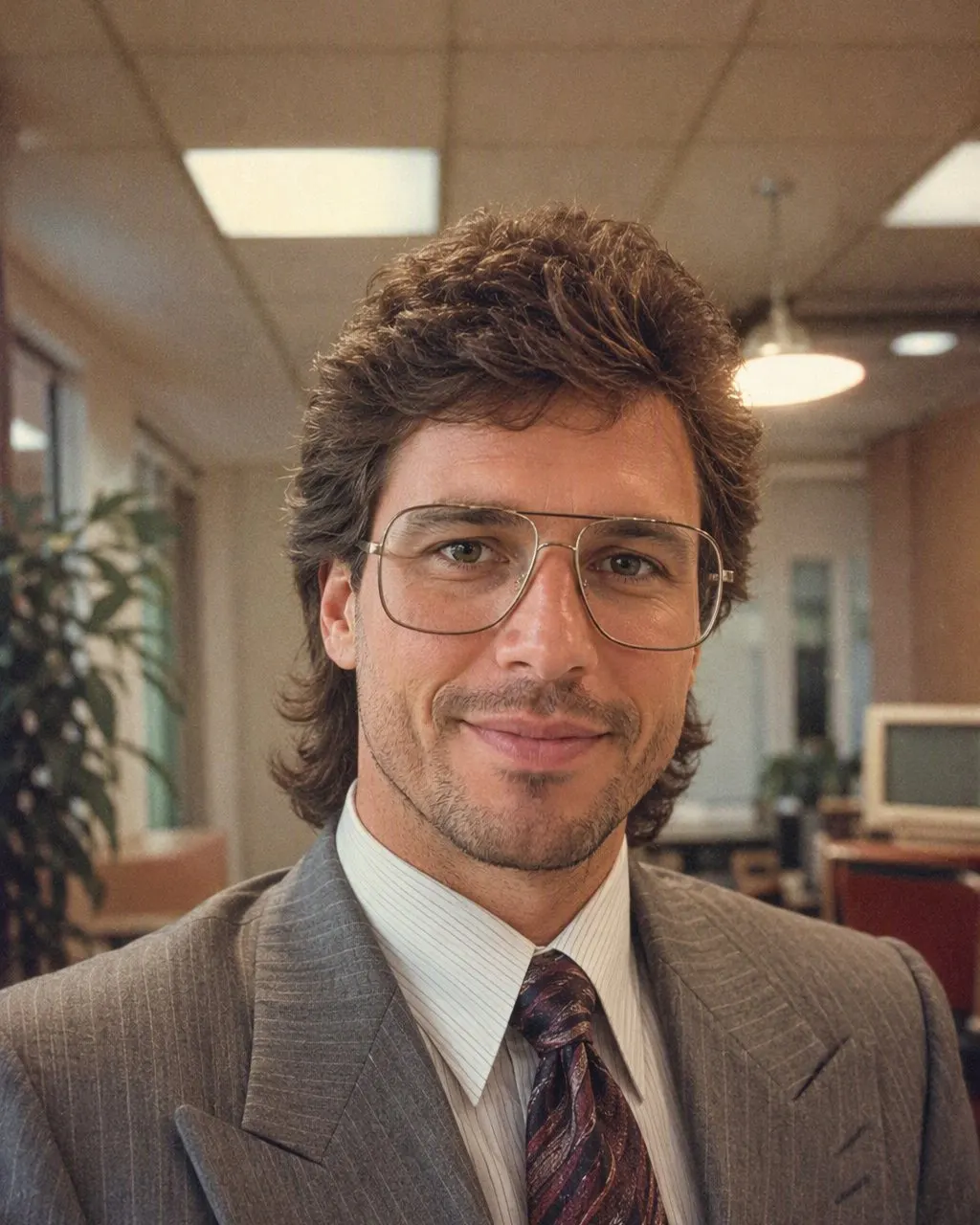
How to use an 80s picture prompt
Copy one prompt below, open Gemini or ChatGPT, attach a clear photo of yourself and paste the text in the same message. The prompt tells the AI to keep your face and skin tone, then sets out the 1980s hair, Bangladeshi clothes, a studio or home setting, a direct flash and faded film colour.
All prompts are in English, because that is how they work most reliably in both tools. Results change from one try to the next, so plan on two or three attempts and one short correction. If you would rather not deal with prompts at all, the 80s trend app page explains the one-tap route.

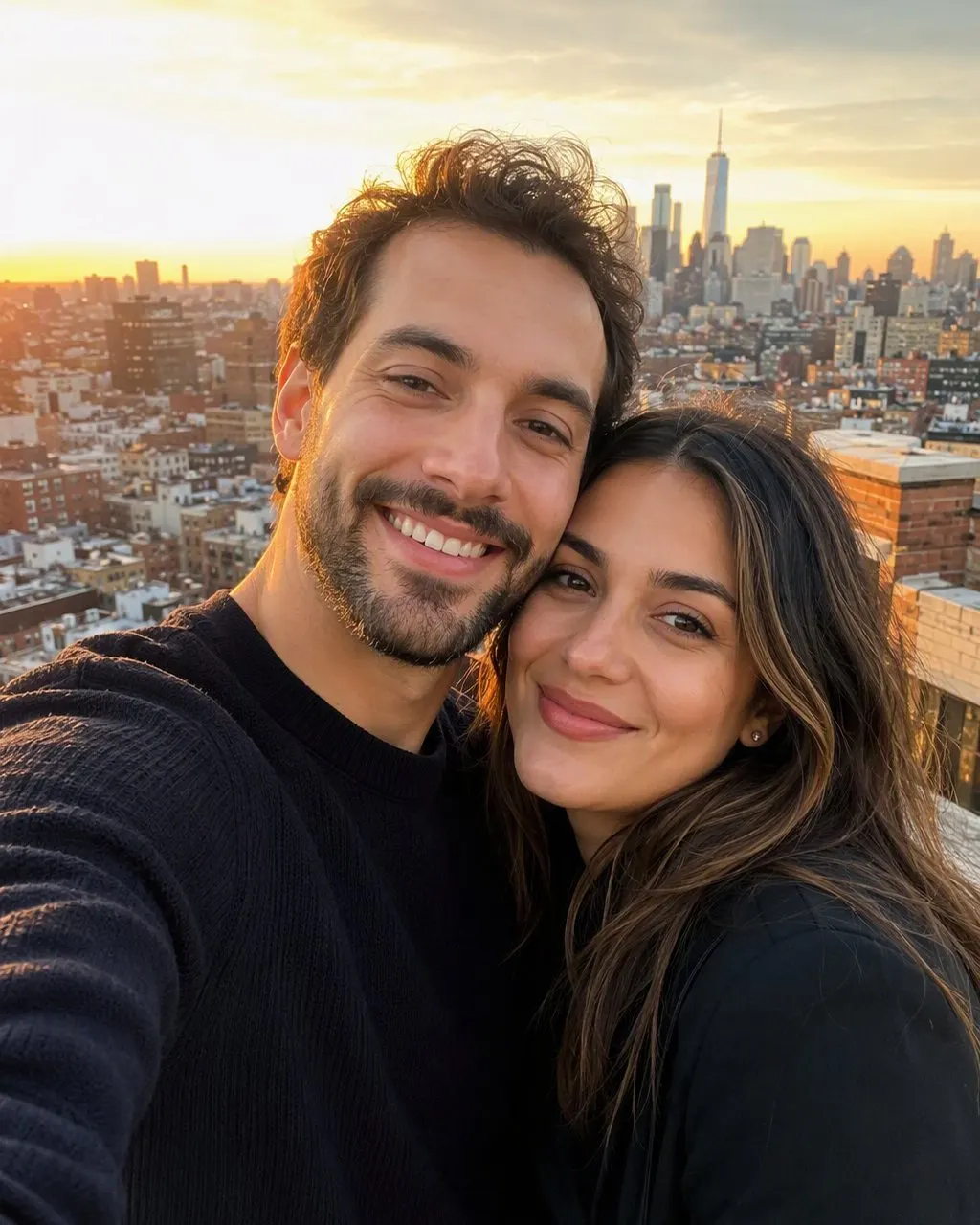
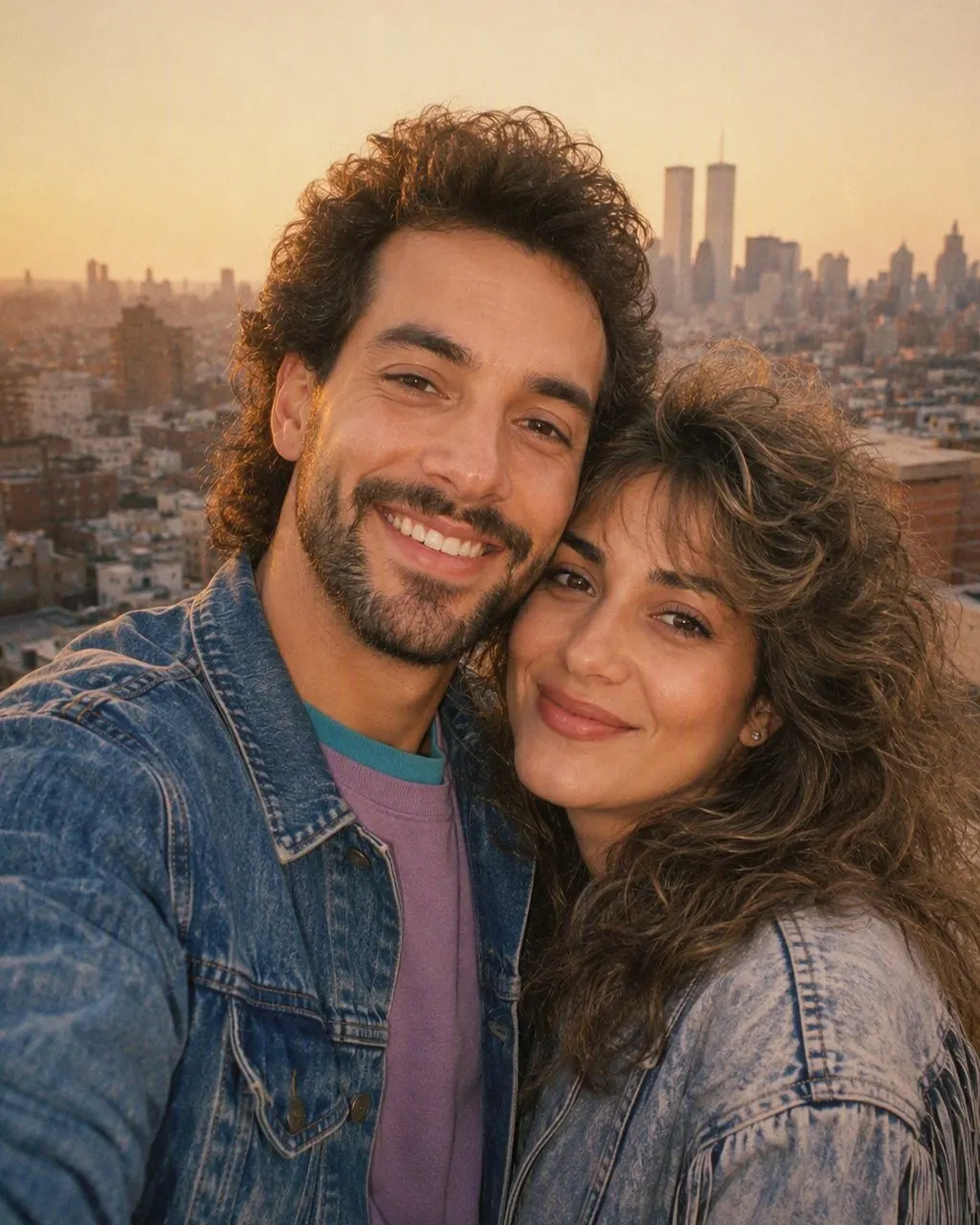
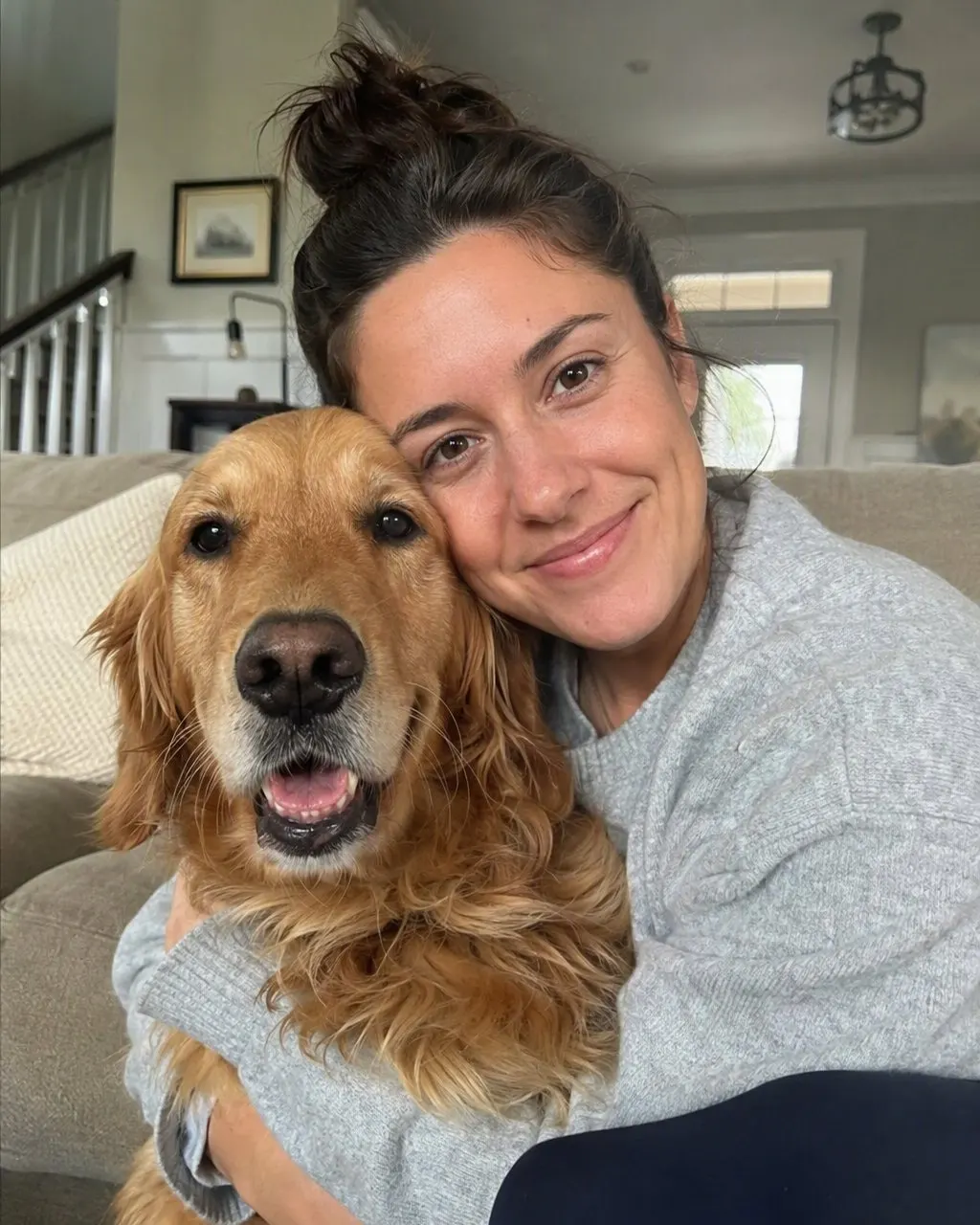
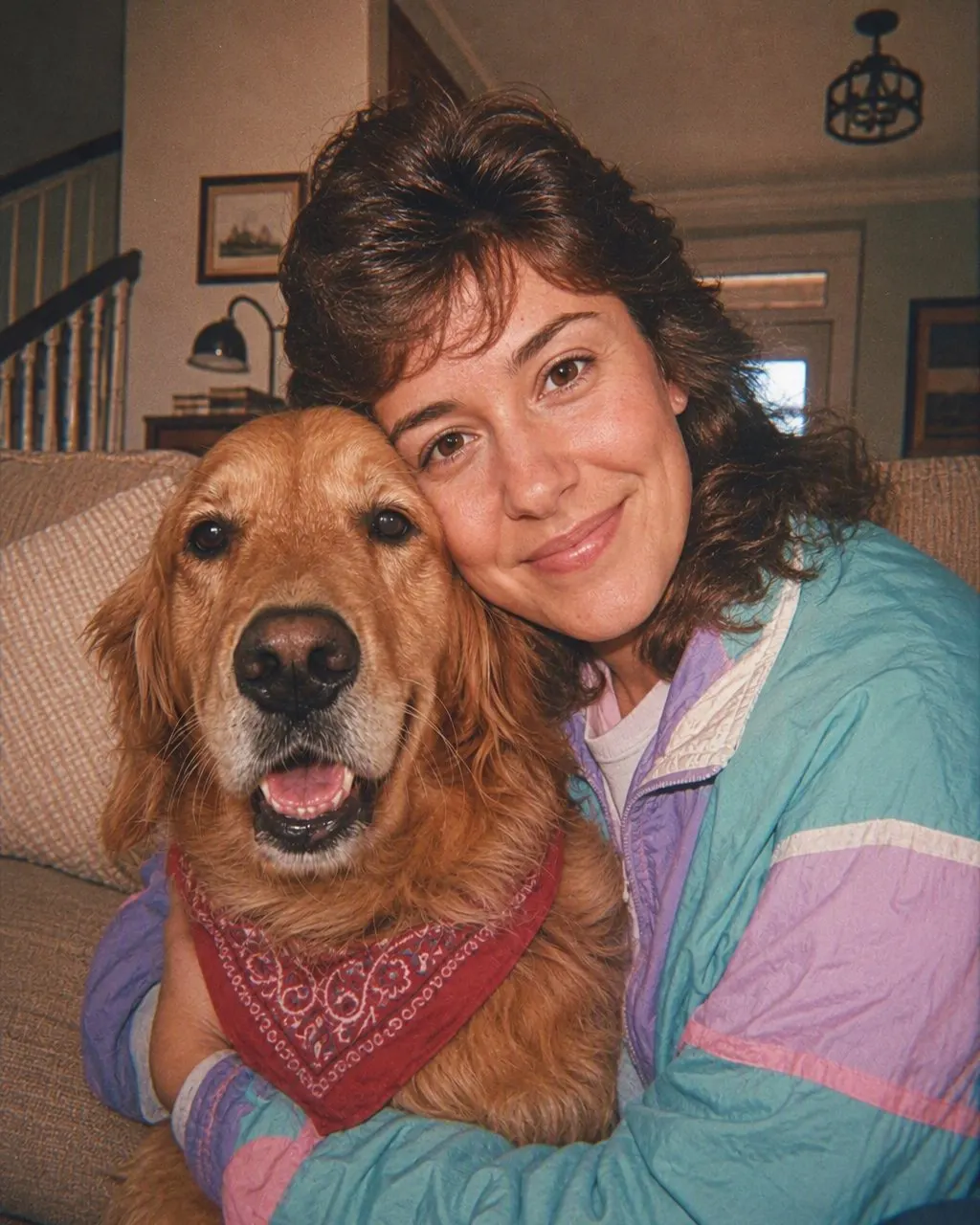
Copy, paste, check
Attach a photo
Use the plus or paperclip button in Gemini or ChatGPT and choose a recent, sharp photo with your face in daylight.
Paste one prompt
Drop it into the message that carries the photo, then send. Swap the colour or fabric words if you like.
Compare with the original
Look at the eyes, nose, jaw and skin tone side by side. If something moved, send one of the correction lines below.
80s picture prompts to copy
Use my uploaded photo. Do not change who I am: my face shape, eyes, nose, mouth, eyebrows, skin colour, age and expression must stay exactly as in the photo. No skin lightening, no face slimming. Only the hair, outfit, accessories and surroundings should change. Turn it into a colour portrait from a Dhaka photo studio in about 1985. Style my hair the way it was worn in the mid-80s, full and side-parted, and dress me as people dressed in Bangladesh then. I sit on a wooden stool before a painted backdrop fading from blue to pink, with plastic flowers in a small vase on a stand at my side. One hard direct flash with a short shadow on the backdrop, coarse film grain, faded warm colours. Output: a single realistic portrait, no lettering, no frame.
The all-purpose version. Works for anyone.
Use my uploaded photo. Do not change who I am: my face shape, eyes, nose, mouth, eyebrows, skin colour, age and expression must stay exactly as in the photo. Leave my beard or moustache as it is, only tidier and fuller in the 80s way if I already have one; never add facial hair. Show me as a young man in Bangladesh in the mid-1980s: hair with volume and a sharp side parting, a shirt with a wide pointed collar tucked into high-waisted trousers, a thin belt, square tinted glasses and a digital wristwatch. Background: a painted studio backdrop in brown and cream. Direct flash, visible grain, slightly faded colours. Output: one portrait, no lettering.
For an Eid version, replace the shirt with a cream cotton panjabi.
Use my uploaded photo. Do not change who I am: my face shape, eyes, nose, mouth, eyebrows, skin colour, age and expression must stay exactly as in the photo. Leave my eyebrows and complexion exactly as they are. Show me as a young woman in 1980s Bangladesh: a handloom tant sari in red and white with a simple blouse, hair in a khopa bun with a string of white beli flowers, a round red teep, thin glass bangles and soft matte make-up. I sit angled a little towards the lens, a painted garden behind me. One direct flash, coarse grain, warm faded colour. Output: a single realistic portrait, no lettering, no frame.
Change the sari to a jamdani or a salwar kameez with a long dupatta if you prefer.
Use my uploaded photo of two people. Neither face may change: each person keeps their own face shape, features, skin colour, age and expression, and they stay where they are in the frame. Do not blend their features. Only hair, outfits, accessories and surroundings should change. Turn it into a couple portrait from a Dhaka photo studio around 1986: she wears a printed silk sari with a matching blouse and her hair in a plait, he wears a cream panjabi or a wide-collar shirt with side-parted hair. Pose us shoulder to shoulder, him half a step behind her, against a painted river scene with country boats. One direct flash, soft grain, faded warm colour. Output: one portrait, no lettering.
Both faces should be clear and roughly the same size in your photo.
Use my uploaded photo. Nobody's face may change: features, skin colour, age and expression stay as they are for every person. Turn it into a candid gaye holud photo from the 1980s in Bangladesh: yellow and orange saris, marigold garlands, a low stage with a decorated backdrop, small bowls of turmeric paste, relatives smiling around the bride. Taken on a small film camera with a strong direct flash, so the background falls into shadow. Visible grain, warm colours faded with age. One image, no text, no modern objects.
Works best with a photo of one to three people.
Use my uploaded photo. Do not change who I am: my face shape, eyes, nose, mouth, eyebrows, skin colour, age and expression must stay exactly as in the photo. Only hair, clothes and surroundings should change. Place me in a Bangladeshi living room in the mid-1980s, sitting on a cane sofa with a crocheted cover, a television in a wooden cabinet with sliding doors behind me, a cassette player on the shelf, a ceiling fan and printed curtains. I wear everyday clothes of that time. Shot on a compact camera with a direct flash that leaves a hard shadow on the wall. Grain, faded warm colour. One image, no text.
A good one for family pictures and for parents' reactions.
Do not change my face, features, skin colour, age or expression from my photo; only the hair, outfit, accessories and surroundings should change. I want it to look like a genuine colour photograph from 1985 Bangladesh, with voluminous 80s hair, clothes of the period, a painted studio backdrop, on-camera flash, grainy film and warm, faded colour. A single realistic photo without any text.
Quick to paste, but less predictable than the longer prompts.
Why your face changes from one try to the next
Neither Gemini nor ChatGPT edits your photo the way an editing app does. Each attempt is a brand-new picture modelled on yours, and your face survives only to the degree the wording insists on it. That is why the face instruction comes first in every prompt here, before any sari or backdrop, and why it names the skin tone. A warm vintage grade lifts skin tones, and left to themselves the models drift fairer.
Couple and family pictures move more than single portraits. With two or more faces, the model sometimes borrows a feature from one person and gives it to another. Asking it not to blend features helps, and so does starting from a photo where everyone is facing the camera.
Correction lines that work
Face looks different
“The face is not mine. Rebuild only the face from my original photo and leave the rest.”
Skin is lighter
“My skin is darker than this. Match the complexion in my photo and keep the skin texture.”
Too clean, too modern
“Make it look like an old print: coarser grain, duller colours, softer focus and a sharp flash shadow on the wall.”
Western clothes instead of a sari
Repeat the outfit in one short sentence at the end: “She must be wearing a red and white tant sari.”
Extra people or odd hands
Start a new chat with a tighter photo and the line “Only the people in my photo, nobody else.”
The no-prompt route
If you tried a few prompts and the face kept wandering, FaceCast offers the 80s look as a ready-made style where one tap on one photo is all it takes, and the face is handled identically every time. The trade-off is that it picks the clothes and backdrop for you, so you will not get a specific sari or a gaye holud stage from it. Getting the app costs nothing on iPhone or Android; a few features are paid inside it.
Questions about 80s prompts
Is there a prompt made for Bangladesh?+
Yes, the Dhaka studio, tant sari, couple, gaye holud and BTV evening prompts above are written with Bangladeshi clothes and settings. Edit the clothing words to match what you want.
Which is better for 80s pictures, Gemini or ChatGPT?+
Both can do it. Results differ a little in colour and how closely they keep the face, and both vary between attempts, so try the same prompt in each and keep the better one.
Can I write the prompt in Bangla?+
You can try, but English prompts tend to give more predictable results for clothing and camera details. Keep the face instruction at the start either way.
Is the prompt free?+
The text is free to copy. Whether you can generate the picture for free depends on the allowance Gemini or ChatGPT gives your account at the time.
Why does the couple picture swap our features?+
With two faces the model sometimes mixes them. Start from a picture in which you are both clearly visible at a similar size, and do not delete the instruction against blending features.
Related pages
Tired of rewriting prompts?
In FaceCast the 80s look is a single tap and your face stays yours. The app is free to install, with some paid features inside.