
Trending in Bangladesh
The 80s Picture Prompt for Bangladesh
The generic prompt gives you an American mall studio. This one puts you in a Dhaka portrait studio in the mid-80s, in a printed sari or a cream panjabi, with the same identity line first so the face stays yours.
4.6average rating · 4,109 App Store
The Short Answer
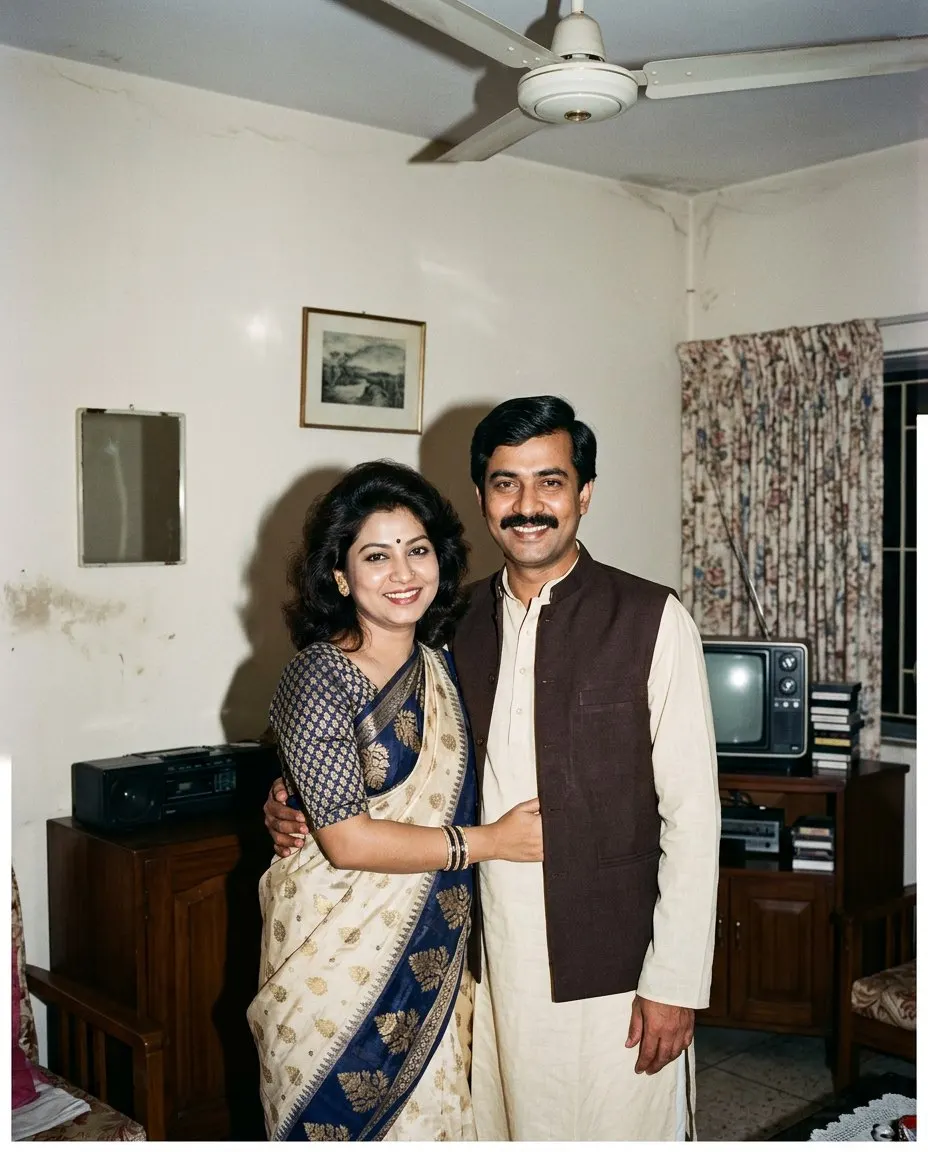
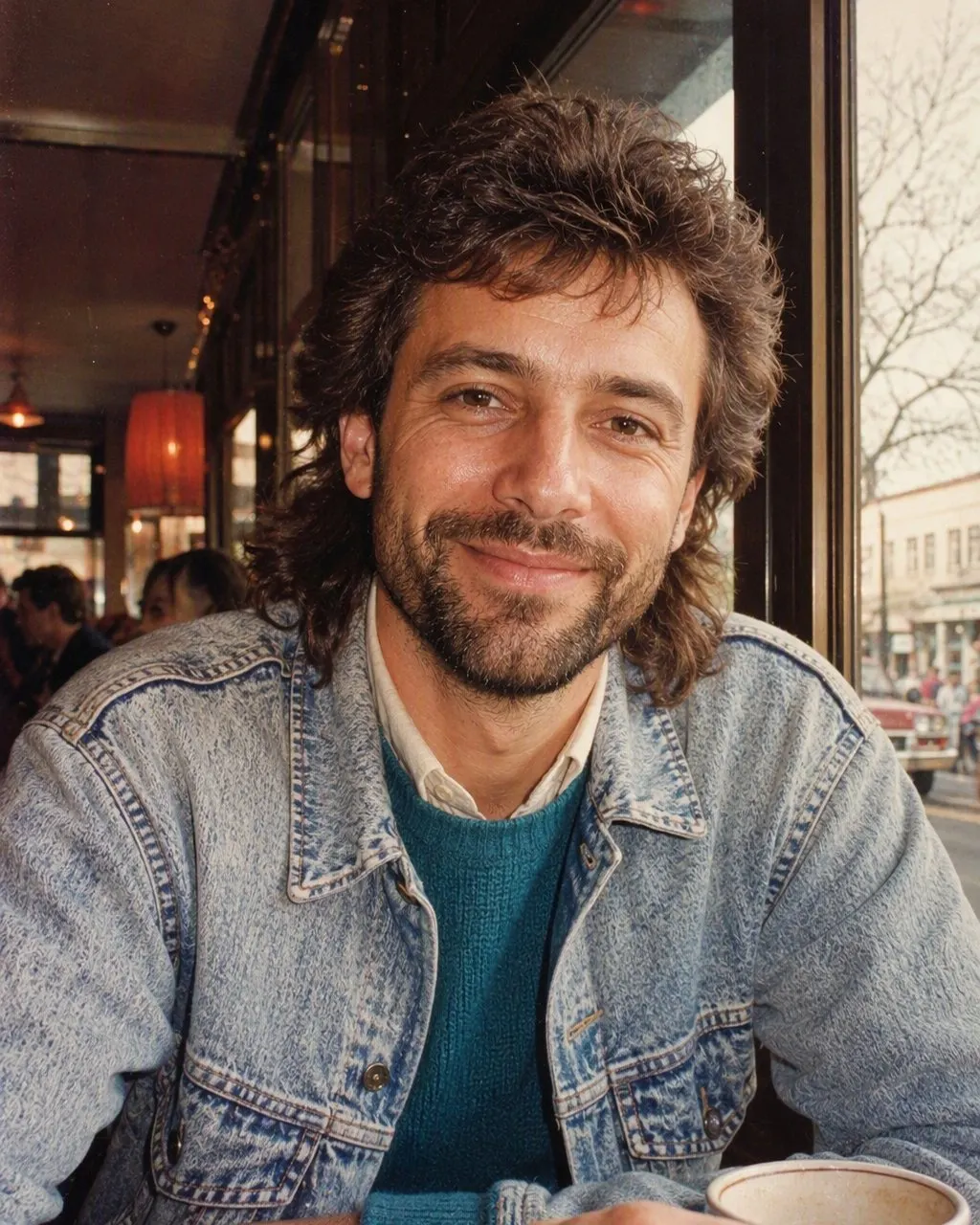
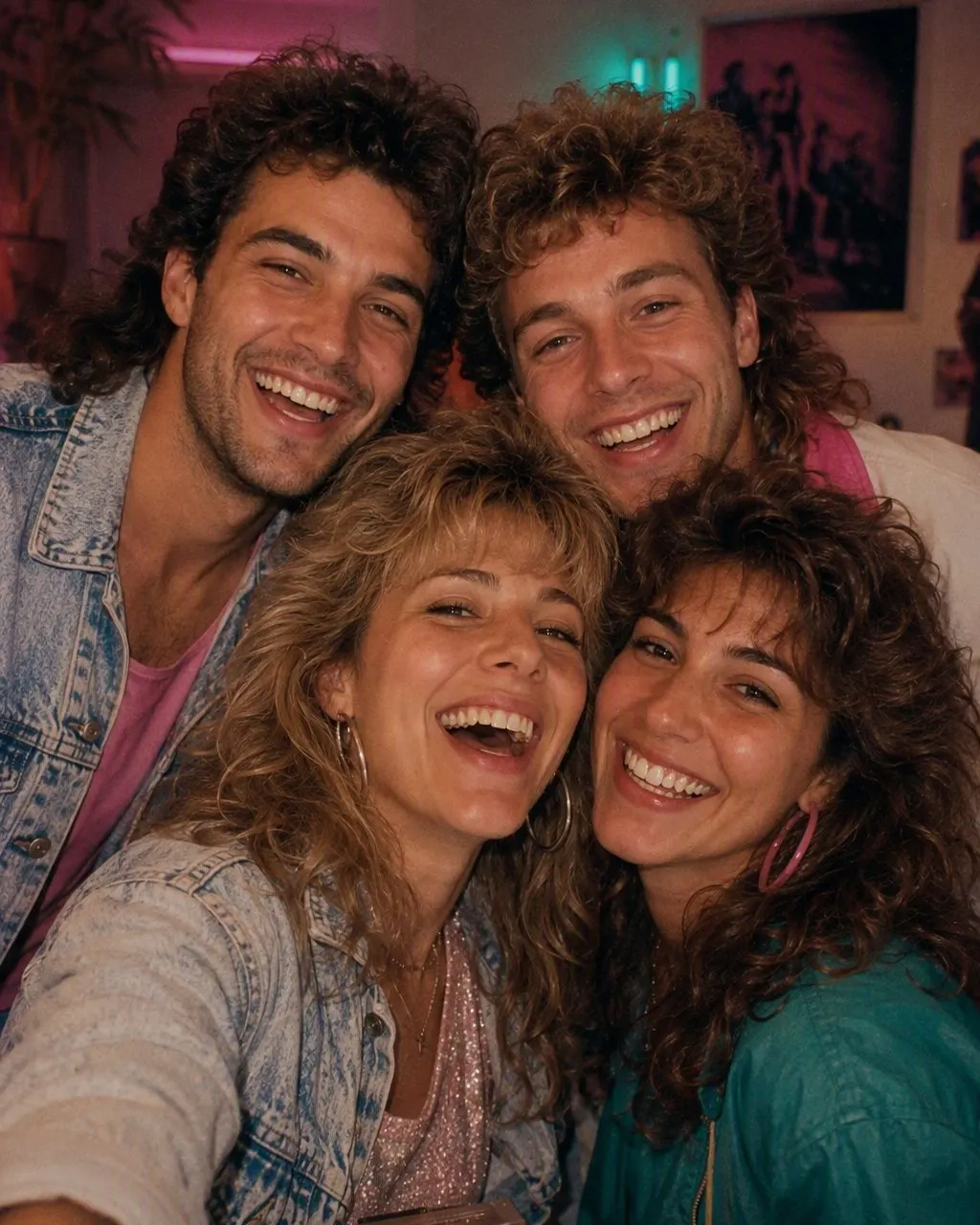
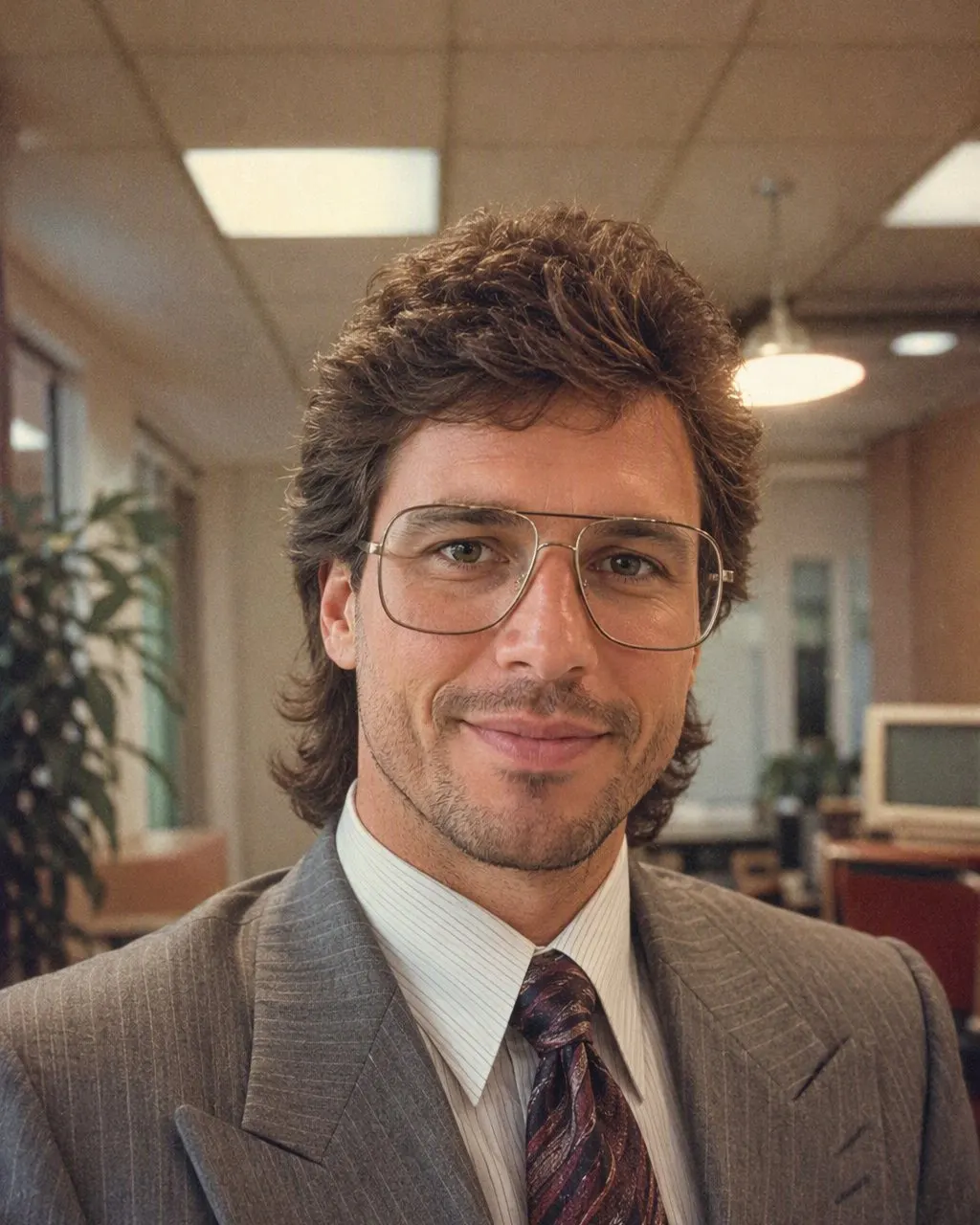
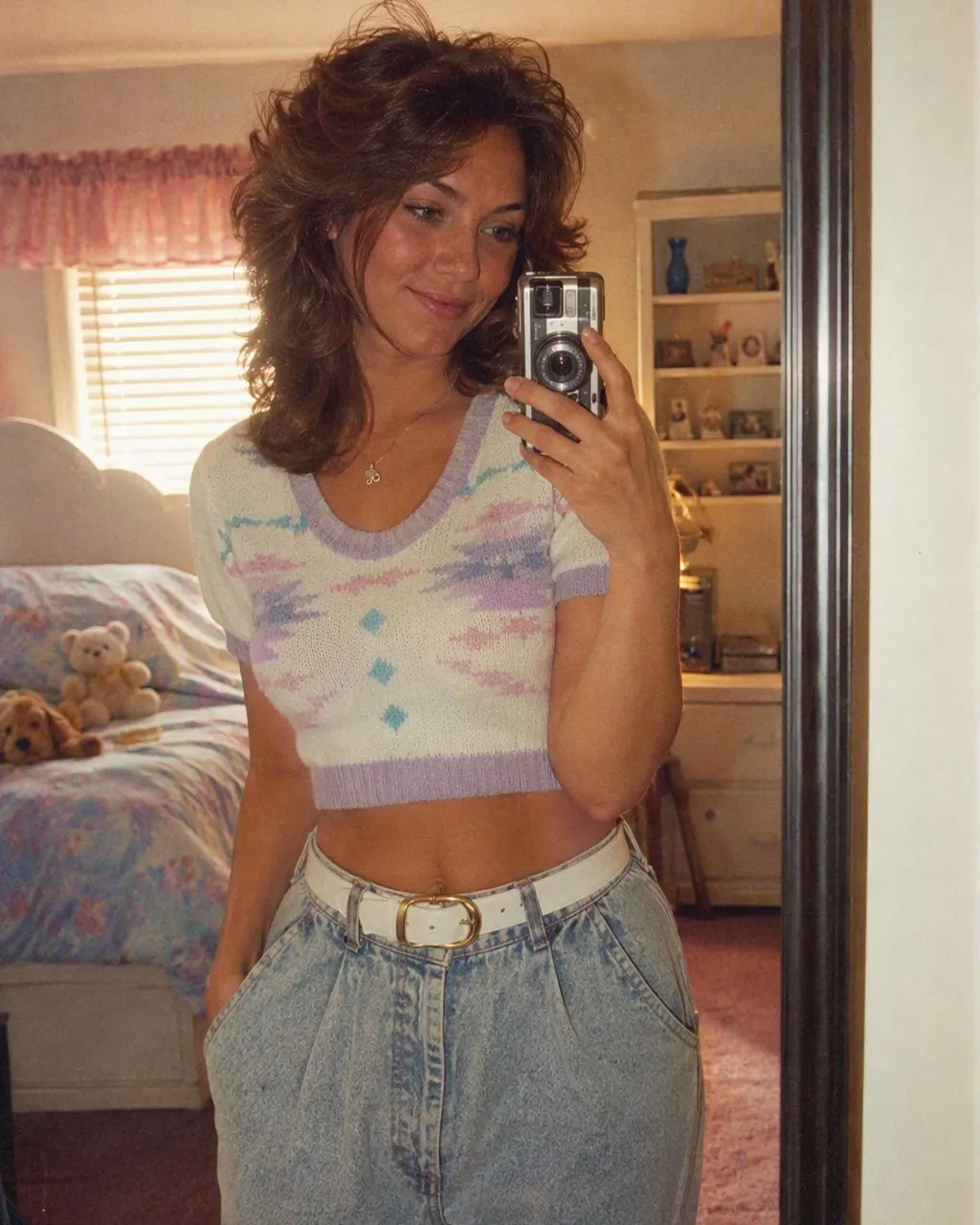
The 80s picture prompt for Bangladesh is the standard prompt with the place and the clothes rewritten: instead of a mall studio and a denim jacket, a Dhaka portrait studio with a painted backdrop, a printed silk sari with a matching blouse or a cream panjabi, a thick moustache for men, large tinted glasses, a thin gold chain. The identity line stays first and stays unchanged: keep my face, features, skin tone, age and expression exactly as they are.
Attach one clear front-on photo and paste the text in the same message in Gemini or ChatGPT. Expect a few attempts; the face drifts a little on every run, and more in couple and group pictures. The copy-ready versions, one for the studio and one for a mid-80s living room, are below.
If you would rather not type, FaceCast has the 80s look built in as a style: upload a photo, tap the style, and the picture comes back in seconds with your face kept. The style decides the clothes and the backdrop for you, so use the prompt when you want a specific sari or a specific Dhaka setting, and the app when you want the result now.
How to Use the Bangladesh 80s Picture Prompt
Pick the photo
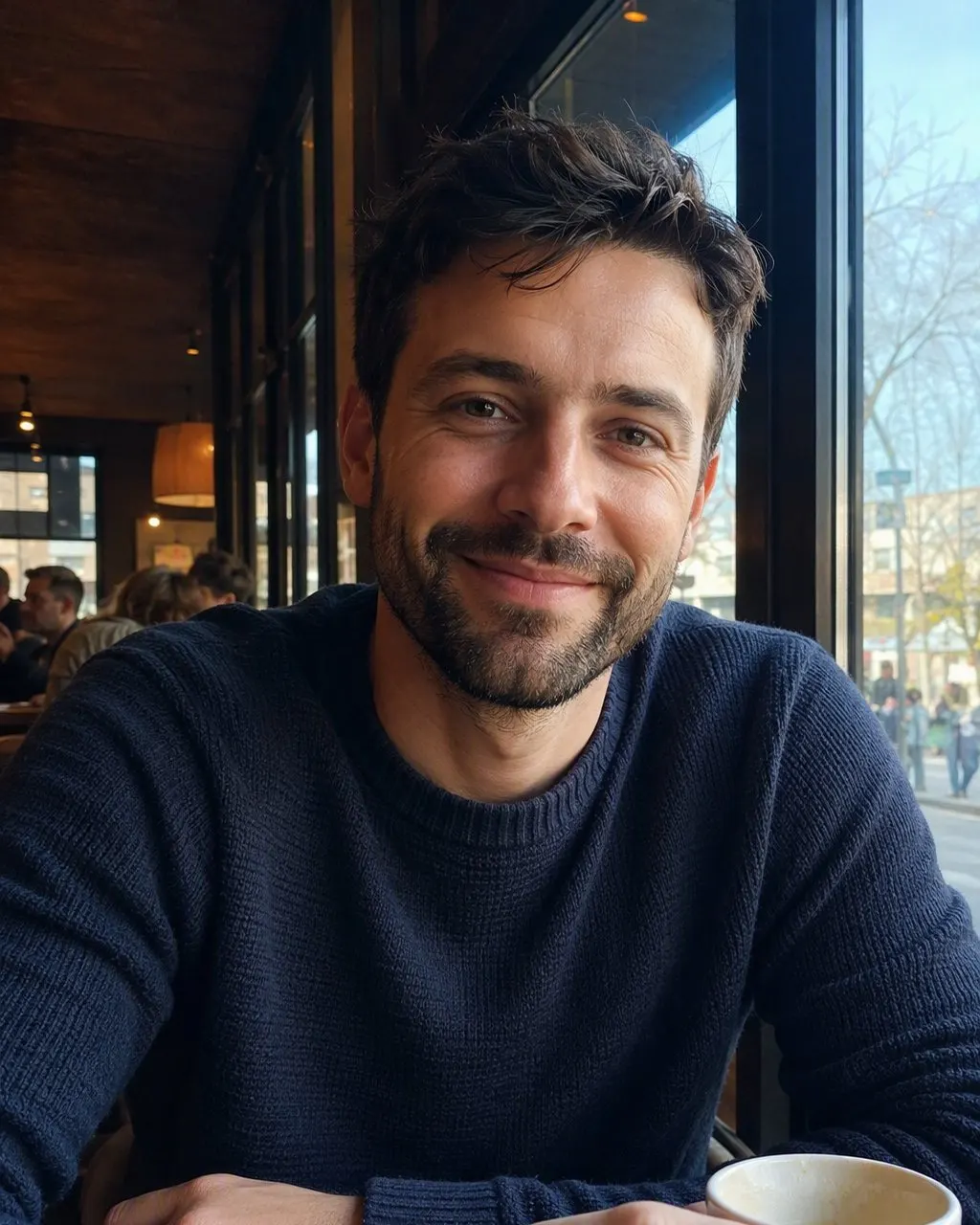
A clear front-on photo in daylight, no sunglasses, no beauty filter. If your hair is covered, keep it covered in the photo you upload; the prompt below tells the tool to keep it that way.
Paste the prompt with the photo
Attach the photo and the text in the same message. Change the clothing line to what you want, a specific sari colour, a panjabi with a waistcoat, but leave the identity line as it is.
Compare, then post
Run it two or three times and pick the attempt where the jaw and the nose match your original. Post it as a before-and-after with a short “made with AI” note.
The Prompts, Ready to Copy
Using my uploaded photo, show me what I would have looked like around 1985 in a portrait studio in Dhaka. Keep my face, facial features, skin tone, age and expression exactly as they are; do not change the geometry of my face. Change only the hair, clothing, accessories and surroundings. Give me a mid-1980s hairstyle with volume, a printed silk sari with a matching blouse (or, for a man, a cream cotton panjabi with a thick moustache and a side-parted cut), large tinted glasses and a thin gold chain. Place me in front of a painted studio backdrop with a soft gradient, seated slightly turned toward the camera. Light the picture with a hard direct on-camera flash, a slightly bright face and a short hard shadow behind the shoulder. Make it look like a colour film print from that time: visible grain, warm slightly faded colours, soft halation around the highlights. One still image, no modern objects, no text.
If your hair is covered, add: keep the hair covered as in the original photo and change only the style of the scarf to the mid-1980s. Swap “printed silk sari” for “a jamdani sari” or “a salwar kameez with a wide dupatta”.
Using my uploaded photo, show me what I would have looked like around 1985 in a candid snapshot in a Dhaka living room. Keep my face, facial features, skin tone, age and expression exactly as they are. Change only the hair, clothing, accessories and surroundings: mid-1980s hair, a printed sari or a cream panjabi, a digital watch. Behind me a wooden television cabinet with a small television, a cassette player, a ceiling fan, patterned curtains and a framed picture on the wall. Shot on a compact camera with a hard on-camera flash that throws a short shadow on the wall. Colour film look: visible grain, warm faded colours, slight softness. One still image, no modern objects, no text.
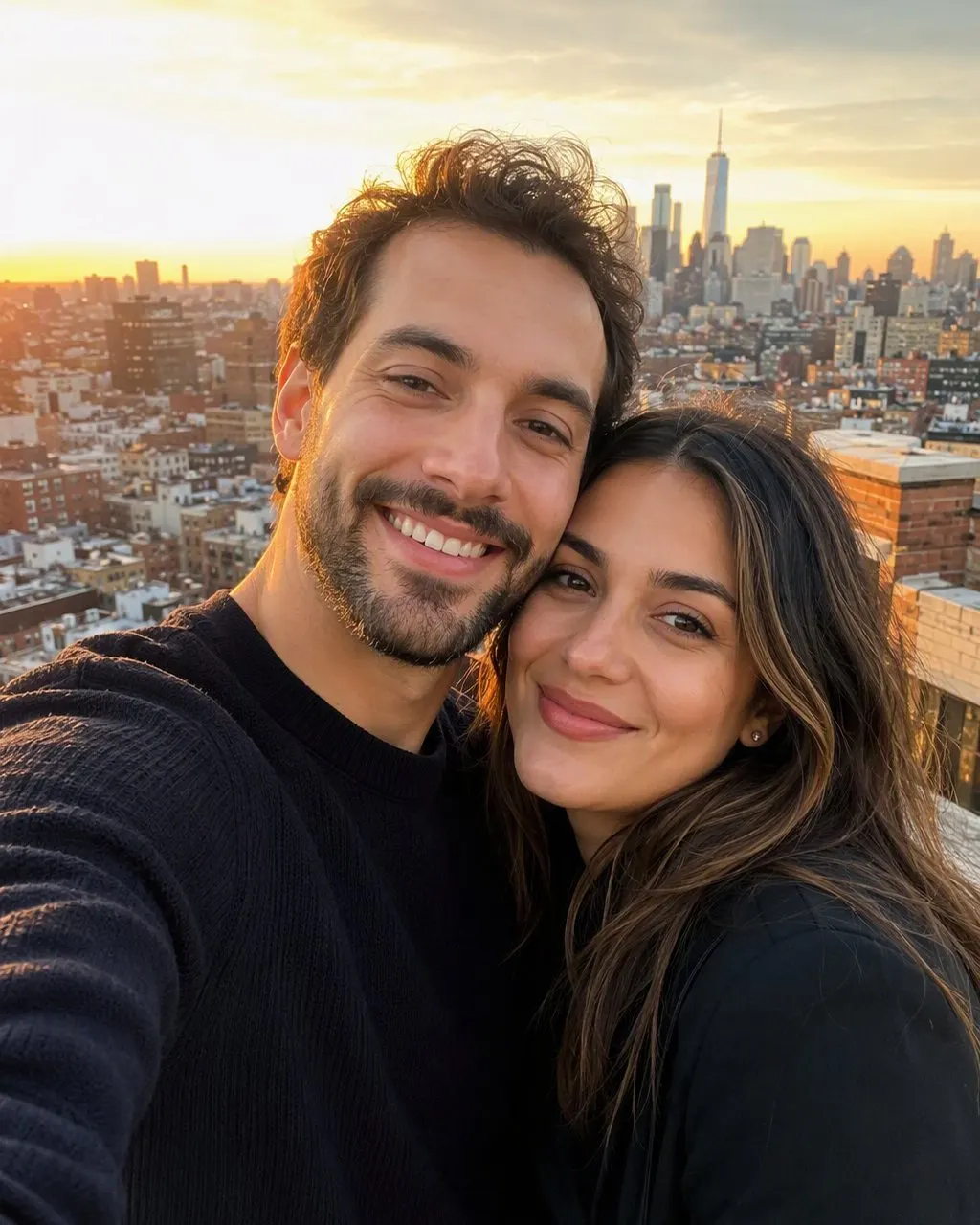
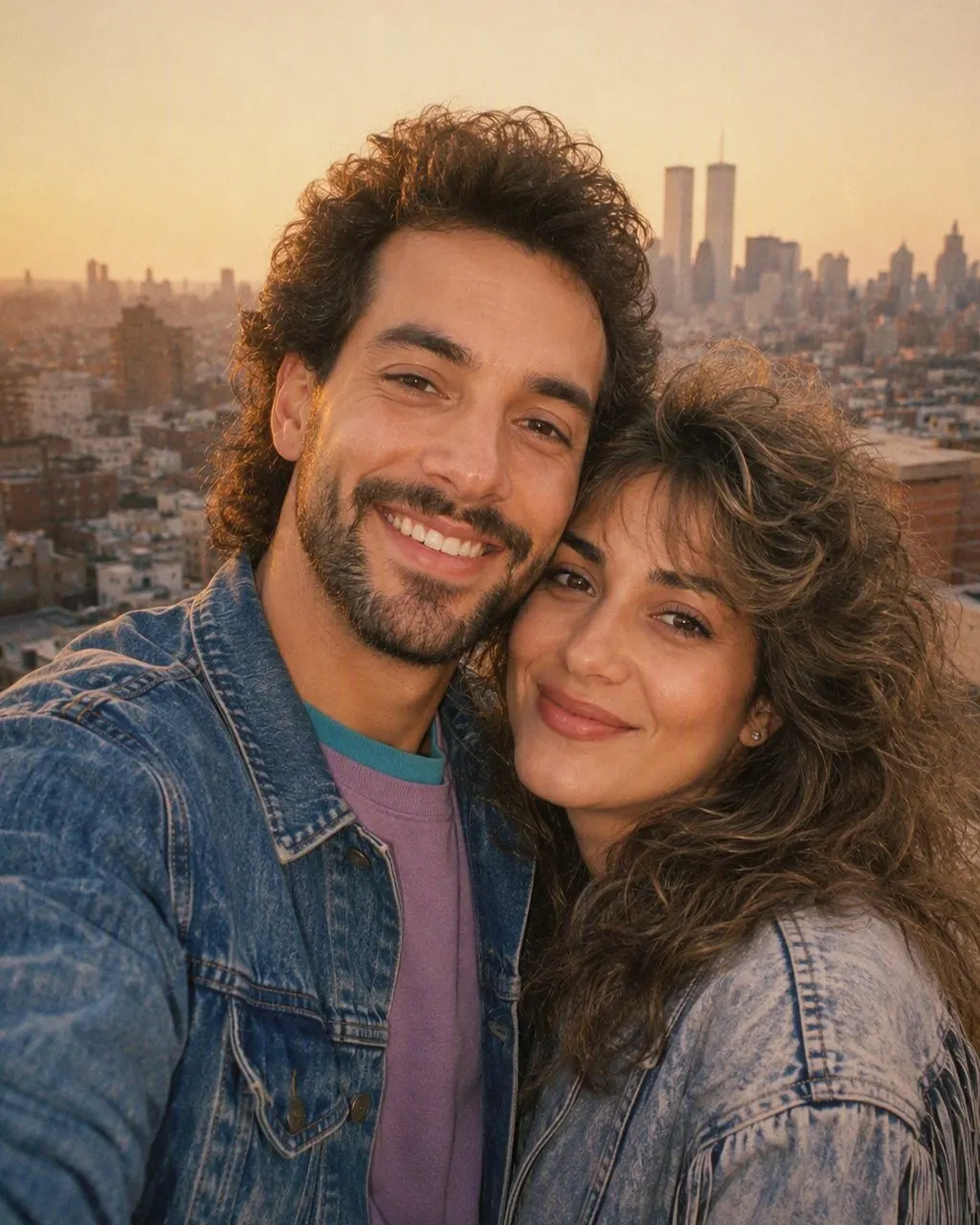
For a couple picture, change “me” to “us” and add: keep both faces exactly as they are and do not swap or blend the two faces.
What Makes the Picture Read as Bangladesh, Not a Generic 80s
The clothes
A printed silk or jamdani sari with a matching blouse, a cream cotton panjabi, a salwar kameez with a wide dupatta. Name the piece precisely; “old clothes” gives you a Western wardrobe.
The place
A Dhaka portrait studio with a painted gradient backdrop, or a living room with a wooden television cabinet, a cassette player, a ceiling fan and patterned curtains. A street with a period sedan also works.
The details
A thick moustache and a side-parted cut for men, large tinted glasses, a thin gold chain, a digital watch. These small things are what stop the result from being generic retro.
The camera
Direct on-camera flash, a short hard shadow, visible grain, warm faded colours. This part is the same everywhere in the world and it is the part that carries the decade.
Why the Face Drifts, and the Route That Avoids It
A free-text prompt re-decides the whole picture on every run, so the face is held only as tightly as your wording says. Couple and family pictures drift most, because the identity instruction has to hold on several faces at once. Three attempts and a comparison of the jaw, the nose and the distance between the eyes will show it.
In FaceCast the 80s look is a fixed style, so the face handling is the same code on every run and every face in a couple or family picture is kept. The trade-off is control: the style decides the hair, clothes and backdrop for you. It makes a still image only, does not make video, does not age anyone and does not add celebrity faces. Your photo is used only to generate your result and is not sold or shared for marketing.
Frequently Asked Questions
What is the 80s picture prompt for Bangladesh?+
The standard 80s picture prompt with the clothes and the place rewritten for Bangladesh: a printed sari or a cream panjabi, a Dhaka portrait studio or a mid-80s living room, with the identity line kept first so the face stays yours. The copy-ready text is on this page.
Does it work in Gemini and ChatGPT?+
Yes. Attach the photo and paste the text in the same message in either tool. Results differ between them and between attempts, but the order of the prompt is the same.
How do I keep my hijab in the 80s picture?+
Add one explicit line: keep the hair covered as in the original photo and change only the style of the scarf and the clothes to the mid-1980s. In the FaceCast style this is the default: what was covered stays covered.
Can I make a couple picture with this prompt?+
Yes. Change “me” to “us” and add that both faces must stay exactly as they are and must not be swapped or blended. Couple pictures drift most, so expect to run it more than once.
Is there a way to do it without a prompt?+
Yes. FaceCast has the 80s look built in as a style: upload one photo, tap the style, and the picture is ready in seconds with your face kept. Free on iOS and Android, no account to try.
Does FaceCast make an 80s video?+
No. It makes a still image only. It also does not age faces, add celebrity faces or restore old prints.
Dhaka, 1985, Without Typing a Word
Upload one photo, tap the 80s look, and the picture is ready in seconds. Free on iOS and Android.
4.6average rating · 4,109 App Store